
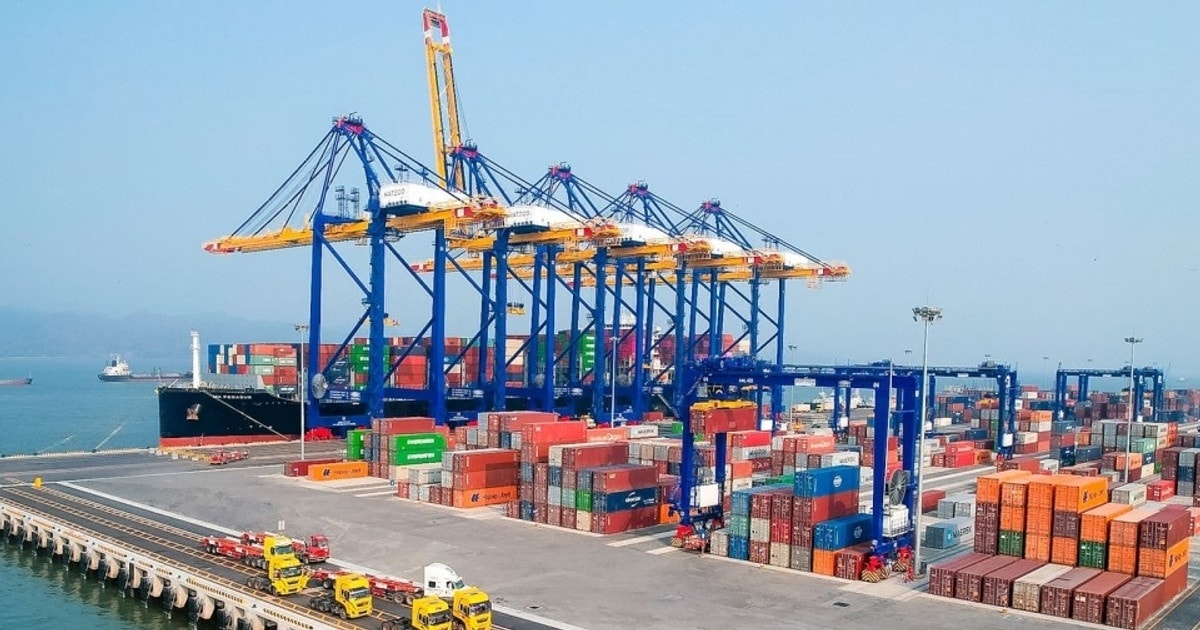
The report pointed out that Vietnam’s 2025 GDP growth was significantly boosted by an 80 per cent jump in exports of laptops and other high-tech items to the United States and by a 42 per cent increase in both Chinese and Indian tourist arrivals, which masked mediocre domestic consumer spending growth.
This year, a normalisation of both consumption and export growth is expected. These two dynamics will largely offset each other, while the lagged impact of an infrastructure spending surge in 2025 will support Vietnam’s GDP growth in 2026.
VinaCapital also acknowledges that 8 per cent is its base case for 2026 GDP growth, while the government has set an ambitious 10 per cent target. The government has various tools at its disposal to achieve this target if further stimulus measures are implemented.
The government will rely heavily on the three major levers it can realistically use to boost GDP growth in 2026. Consumption, which accounts for over 60 per cent of Vietnam’s GDP, remains the most important driver. Infrastructure development is another key dynamic, which the government aims to raise from around 6 per cent of GDP to 10 per cent of GDP. Real estate development contributes roughly 15 per cent of GDP when factoring in indirect contribution, including increased household spending on household furnishings.
Consumption is predicted to return to more normal levels of growth (although not to boom) by mid-2026, at which point the savings rate will have been elevated for nearly three years, allowing households ample time to rebuild a considerable portion of their pre-pandemic savings.
Furthermore, household incomes in Vietnam have been growing at a circa 6-7 per cent pace over the last two years and the stock market and real estate prices were both up more than 30 per cent in 2025, all of which supports spending.
The government recently extended and expanded a VAT cut, enacted a modest reduction in personal taxes, and partly eased new taxes on household businesses that are currently weighing on consumer sentiment. These measures will help support consumption to some degree, but are likely to have less than a 0.5 percentage point direct impact on GDP growth.
According to VinaCapital, there is also a nexus connecting infrastructure, feeding into real estate, and ultimately boosting consumption. Infrastructure spending has already increased significantly, up around 40 per cent in 2025, and it is expected another 20-30 per cent increase in 2026. The trajectory of Vietnam’s infrastructure spending growth is forecast to accelerate from circa 10 per cent annually over the last decade to 20–30 per cent per year going forward, and that expectation helped push 10-year Vietnam Government Bond yields up by circa 100 basis points in 2025 to around 4 per cent.
This infrastructure push can boost GDP in the short run, much like how China supported its economy with infrastructure investment after the global financial crisis. Critically, Vietnam has ample fiscal room to boost infrastructure spending, with government debt well below 40 per cent of GDP. In the past, bureaucratic hurdles such as land clearance delays and lengthy approval processes were the main impediments to faster infrastructure spending; those blocks are now melting away with the nascent “whatever it takes” attitude of civil servants.
Similarly, government reforms look set to pave the way for a surge in real estate supply. Imminent regulatory changes related to land clearance and compensation for rezoning land for residential use could unlock as many as 80 per cent of previously stalled projects, effectively making them “shovel ready” projects that could immediately boost GDP growth.
The report also forecasts resilient exports to the US in 2026. Vietnam’s exports to the US rose 28 per cent in 2025, driving a 4 per cent/GDP trade surplus. Demand from the US should remain resilient in 2026, thanks in part to strong consumption by upper-middle class consumers.
Furthermore, VinaCapital added, powerful monetary and fiscal stimulus measures are poised to prime the US economy in 2026 in the lead -up to the mid-term elections. The US government will run another enormous 6 per cent/GDP budget deficit and the Fed is essentially re-starting quantitative easing unexpectedly quickly after having finished quantitative tightening, so there is no realistic risk of a US recession that would derail Vietnam’s exports to the US this year.
Vietnam’s GDP forecast to grow by 9 per cent in 2026
Vietnam’s real GDP is forecast to grow by 9 per cent in 2026, underpinned by an ambitious government agenda aimed at positioning the year as a critical to the country’s development trajectory, according to a report by KIS Research.
UOB lifts Vietnam growth outlook to 7.5 per cent for 2026
Vietnam has entered 2026 with solid economic momentum, supported by strong growth last year and a more upbeat outlook from regional economists.
HSBC forecasts Vietnam’s GDP growth to hit 6.7 per cent in 2026
HSBC has said it expects Vietnam’s GDP growth to hit 6.7 per cent this year, down from an 8 per cent expansion last year.
