
This shift is reshaping the supply–demand balance while opening strategic opportunities for countries capable of delivering stable, transparent supply in line with international standards, including Vietnam.
Critical minerals emerging as vital national security assets
According to CNBC, a global race to secure access to critical minerals is underway. From Washington’s proposal to establish the $12 billion Project Vault strategic reserve to the expansion of stockpiles across Asia and the EU, governments are accelerating efforts to put in place long-term supply security mechanisms for key metals such as lithium, nickel, rare earths, and tungsten.
At its core, this trend reflects a fundamental shift in policy thinking. Whereas minerals were once viewed primarily as industrial inputs, they are now increasingly regarded as national security assets. Amid the rapid acceleration of the energy transition and digital transformation, metals essential for batteries, semiconductors, AI technologies and defence have become foundational to long-term competitiveness.
Stockpiling serves not only as a buffer against supply disruptions, but also as a market-stabilising tool and a source of geopolitical leverage. When a country controls a significant share of the production or downstream processing of certain minerals, the risk of trade “weaponisation” becomes a tangible concern.
Supply chain restructuring and the wave of critical minerals stockpiling
The wave of stockpiling is unfolding in parallel with the restructuring of global supply chains towards friend-shoring and regionalisation. Major industrial groups are increasingly prioritising sourcing from countries with stable political environments, strong commitments to transparency, and adherence to environmental, social, and governance standards.
This means that competitive advantage no longer belongs solely to countries with abundant reserves, but also to those capable of ensuring supply continuity, traceability, and sustainable mining practices. While price remains important, reliability and compliance with international standards are becoming decisive criteria in long-term contracts.
As a result, the global supply–demand structure is being reshaped. Downstream processing hubs that rely on imported raw materials are compelled to diversify their supplier base. Conversely, resource-rich countries that are slow to upgrade technology and governance risk being locked into low-value raw material exports, exposed to thin margins and heightened price volatility.
Opportunities from the shift in global value chains
Vietnam is increasingly recognised as a promising destination amid this wave of global realignment. A broad network of strategic partnerships, participation in next-generation free trade agreements, and a stable political environment position the country to integrate more deeply into restructured supply chains.
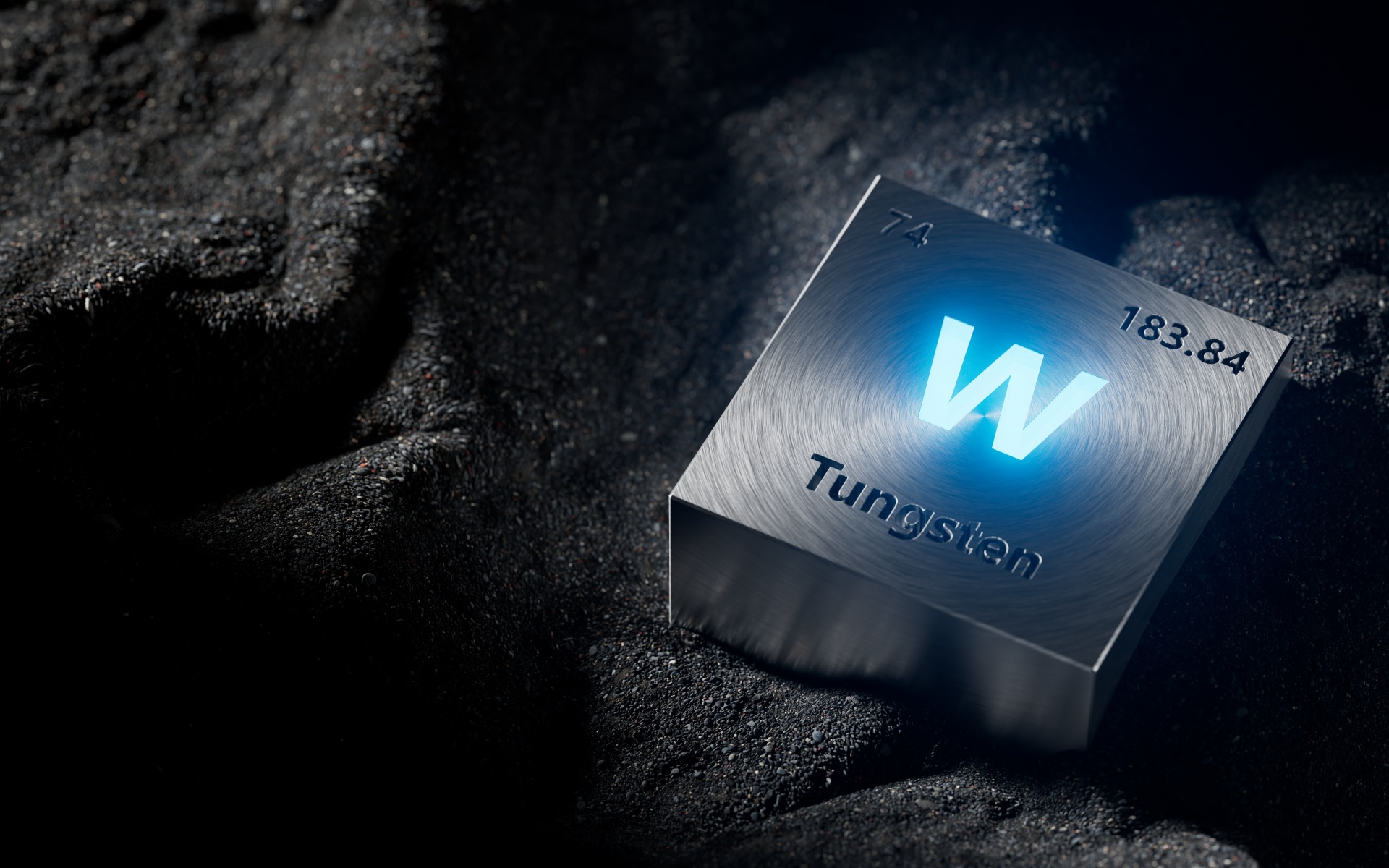
In Thai Nguyen province, the Nui Phao mine, owned by Masan High-Tech Materials (UpCom: MSR), is the world’s largest tungsten deposit outside China and ranks fifth globally in fluorspar production. In addition, the mine contains associated minerals such as bismuth and copper. Four of Masan High-Tech Materials’ core products fall within the category of critical minerals, playing essential roles in high-tech industries including electronics, aerospace, defence, clean energy, and advanced AI infrastructure.
Masan High-Tech Materials operates an integrated model spanning mining and downstream processing, while making significant investments in deep processing technologies, research and development, and the production of high-tech materials to enhance value capture along the global supply chain.
The company currently supplies approximately 24.39 per cent of its output to major markets such as the US, Canada, and Japan. Operating in line with international standards and guided by environmental, social, and governance principles, the company has established a stable position within the high-tech materials supply chain, meeting increasingly stringent technical and compliance requirements from developed economies.
Importantly, Masan High-Tech Materials’s strategic 28-million-tonne mining project, expected to receive approval this year, will expand resource reserves, extend the mine’s lifespan, and strengthen competitive supply capacity. These developments reinforce Vietnam’s emergence as a key critical minerals supplier sought by global partners. Masan High-Tech Materials is expected to serve as a strategic link, helping to shape Vietnam’s role in the rapidly evolving global mineral supply–demand landscape.
Tungsten surges to 12-year high as world enters a new ‘black gold’ race
Global tungsten markets are experiencing one of the strongest upcycles in more than a decade.
Masan High-Tech Materials reports profit: a view from Nui Phao mine
Masan High-Tech Materials announced its business results on February 3, with numerous positive highlights.
German Parliamentary State Secretary Stefan Rouenhoff visits Nui Phao tungsten mine
Stefan Rouenhoff, Parliamentary State Secretary at the Federal Ministry for Economic Affairs and Energy of Germany, led a high-level delegation of ministry officials and senior executives to visit Masan High-Tech Materials (MHT), the operator of Nui Phao mine in Thai Nguyen province.
